
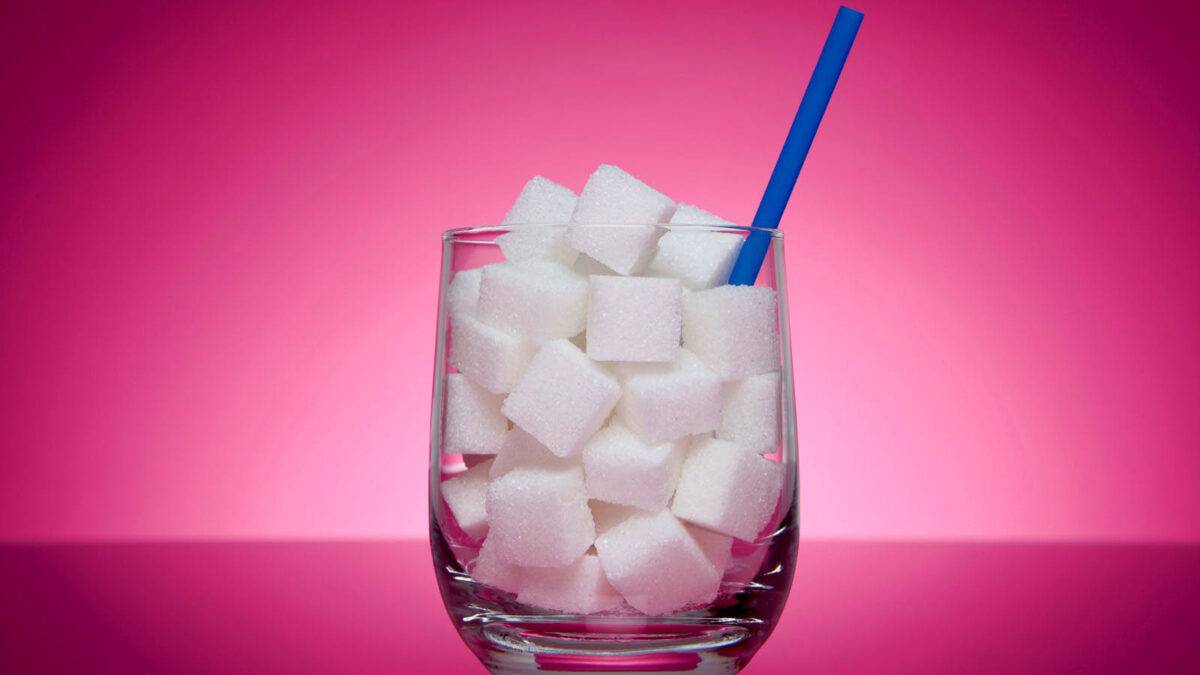
The Question Every Food and Drink Brand Must Answer Before Launch
Sugar has built empires. Coca-Cola, Red Bull, Ribena, Lucozade entire categories were constructed on sweetness. For decades, sugar was the backbone of flavor in almost every commercially successful food and drink product.
In 2025, that foundation is shifting fast.
The UK government has taxed it. Retailers are restricting it. Consumers are actively avoiding it. And yet completely removing it from a recipe development brief creates an entirely different set of problems. Products that taste medicinal, flat, or artificial do not sell, regardless of how clean the label looks.
So the real question is not simply whether to add sugar or not. The real question is: what does your product need to taste exceptional, comply with UK regulations, appeal to the right consumer, and succeed commercially at scale?
This article answers that question with the honest, practical detail that most founders only discover after getting it wrong.
Why Sugar Became the Enemy — And Why the Picture Is More Complicated
Sugar is not a villain. It is a functional ingredient that delivers flavor, mouthfeel, shelf stability, and consumer satisfaction. The problem is not sugar itself it is excessive sugar in products that do not justify it, marketed to audiences who do not need it, in quantities that have driven a public health crisis.
A growing focus on healthy living has pushed more consumers to reduce their sugar intake, supported by government efforts to tackle the country’s obesity crisis. Despite this, sales of natural sweeteners have seen momentum as consumers look for healthier forms of indulgence.
54% of consumers now prioritise nutrient-rich foods when grocery shopping. The rise in consumers seeking healthier options has increased demand for reduced calorie and sugar substitute sweeteners such as stevia in food and beverages.
The market has not simply turned against sugar. It has turned against unnecessary sugar, poorly justified sugar, and sugar that has no story to tell. A premium craft soda sweetened with raw honey has a completely different consumer conversation than a cheap energy drink with 55g of added glucose-fructose syrup per can.
Understanding this distinction is the starting point of every intelligent recipe development conversation about sweetness.
The Regulatory Reality in 2025: What Sugar Costs Your Brand
Before making a recipe decision about sugar, every founder needs to understand what sugar costs commercially not just in ingredient terms, but in tax, in marketing restrictions, and in retail positioning.
The Soft Drinks Industry Levy
The Soft Drinks Industry Levy (SDIL) was introduced in 2018 with the stated aim of reducing obesity by reducing the amount of added sugar in soft drinks. Currently, drinks containing between 5 and 8 grams of sugar per 100 millilitres are taxed at 19.4p per litre, and drinks containing over 8 grams per 100 millilitres are taxed at 25.9p per litre. Drinks with sugar content below 5 grams per 100 millilitres face a zero rate.
At the Autumn 2025 Budget, the government announced two reforms to the SDIL to be introduced in January 2028. The first is to reduce the minimum sugar content at which the levy applies from 5 grams per 100 millilitres to 4.5 grams per 100 millilitres. The second is to bring milk-based products, which were previously exempt, into the scope of the levy.
This matters directly to recipe development. A drink sitting at 5.2g of sugar per 100ml currently pays no levy. From 2028, it will. A brand that builds its formula today without accounting for this change faces a future choice: absorb the levy cost, increase the retail price, or go through a costly reformulation.
Build compliance into your recipe now. It is significantly cheaper than reformulating later.
HFSS Advertising Restrictions
The SDIL has prompted manufacturers to modify their products and reduce unnecessary sugar. This has led to over 50% of soft drinks in the UK now being classified as low or no sugar. In October 2025, the next phase of HFSS regulations came into force with new restrictions on price promotion and advertising on television and social media.
Products scoring 4 points or above for food or 1 point or above for drinks under the Nutrient Profiling Model are classified as HFSS. Any product in this category cannot be advertised pre-watershed on TV, cannot run paid online advertising, and faces placement restrictions in major retailers.
For a new brand with limited marketing budget, being classified as HFSS is commercially devastating. You cannot buy your way to awareness. The recipe development decision about sugar is therefore also a marketing strategy decision.
The Broader Impact of Sugar Reduction
The sugar tax has reduced average sugar content by 43% and shifted 65% of soft drink sales to low and no-sugar variants. It forced brands to reformulate products and educated consumers about sugar content, creating permanent market changes.
These are not temporary shifts. The consumer expectation that mainstream drinks should be low or no sugar is now embedded permanently in UK purchasing behaviour. A new brand launching in 2025 with a high-sugar formula is launching into permanent structural headwinds.
The Case For Sugar: When It Still Makes Commercial Sense
Rejecting sugar entirely without understanding its technical functions is as much of a recipe development error as including too much of it. Sugar does specific things that are genuinely difficult to replicate.
Taste and Flavor Completion
Sugar does not just add sweetness. It rounds flavor profiles, reduces bitterness, enhances fruit notes, and creates the satisfying finish that keeps consumers coming back. A drink formulated without any sugar or any sweetener often tastes flat, harsh, or incomplete, even when the other ingredients are high quality.
This is why the claim “consumers buy for health but return for taste” is so important. A functional drink that tastes unpleasant on the first sip will not generate a second purchase, regardless of the health credentials on the label.
Mouthfeel and Texture
Sweetness optimization goes beyond simple sugar reduction. It is about creating products that meet regulations and consumers’ health goals without sacrificing taste. Restoring authentic mouthfeel that is often lost when sugar is removed is a key technical challenge in reformulation.
Sugar provides body. It creates the viscosity that makes a drink feel satisfying rather than thin. When teams remove sugar, they also remove texture. Replacing it requires either skilled formulation or an ingredient that restores mouthfeel without creating new problems.
Preservation and Shelf Life
Sugar is hygroscopic it draws and retains moisture, which inhibits bacterial growth. In food products particularly, sugar plays a meaningful role in extending shelf life naturally. Remove it, and you may need to find another preservation mechanism, which often comes with its own cost and label implications.
Consumer Familiarity and Taste Expectation
Some categories carry a consumer expectation of sweetness. A sports recovery drink, a fruit juice blend, or a premium mixer has a taste profile consumers expect. Disrupting that expectation too dramatically creates a product that does not satisfy the occasion it is designed for.
The recipe development question is not “can we remove sugar?” but “what happens to this product and this consumer experience if we do?”
The Case Against Sugar: Why Low and No-Sugar Wins in 2025
Despite sugar’s functional credentials, the commercial landscape in 2025 strongly favours low and no-sugar formulations for most new food and drink brands. Here is why.
Regulatory and Tax Advantage
A drink formulated under 5g of sugar per 100ml pays zero SDIL levy. It avoids HFSS classification, can be advertised freely online and on television, and faces no placement restrictions in retail. These are not minor commercial advantages they are structural differences in unit economics and marketing reach.
Retail Buyer Preference
Major UK retailers actively seek low and no-sugar products for their ranges. Buyers at Tesco, Sainsbury’s, Waitrose, and Holland & Barrett receive hundreds of product pitches every year. A clean-label, low-sugar product that fits current consumer demand is far easier to list than a high-sugar product that requires justification.
Consumer Purchase Behaviour
Health-first buying is now the norm, not the exception among UK shoppers. Low sugar is a non-negotiable for many UK consumers. Retailers who adapt quickly will win repeat business.
The demand for reduced calorie and sugar substitute sweeteners continues to grow as consumers prioritise nutrient-rich foods and seek healthier forms of indulgence.
HFSS-Free Positioning Enables Full Marketing Spend
A brand that avoids HFSS classification can spend its full marketing budget on paid digital advertising, social media promotion, and TV campaigns without restriction. In a market where brand awareness is a significant barrier to entry, this freedom is commercially vital.
The Natural Sweeteners Landscape: Your Recipe Development Options
If the decision is to reduce or remove sugar which is the right decision for most new UK food and drink brands in 2025 the next question is what to replace it with. The options are not equal, and every choice has direct implications for taste, cost, compliance, and consumer perception.
| Sweetener | Sweetness vs Sugar | Calories | Glycaemic Impact | Clean Label? | Key Consideration |
| Sugar (sucrose) | 1x | High | High | Yes | SDIL taxable above 5g/100ml |
| Stevia | 200–300x | Zero | Zero | Yes | Possible bitter aftertaste at higher doses |
| Monk Fruit | 150–200x | Zero | Zero | Yes | Higher cost; no known negative health effects |
| Erythritol | 0.7x | Minimal | Zero | Borderline | Emerging cardiovascular research requires monitoring |
| Coconut Sugar | 1x | Similar to sugar | Lower GI | Yes | Still a sugar — SDIL applicable |
| Honey | 1.5x | Similar to sugar | Moderate | Yes | Natural and clean-label but still sugar |
| Agave Syrup | 1.5x | Similar to sugar | Lower GI | Yes | High fructose content — health claims limited |
| Allulose | 0.7x | Very low | Zero | Yes | Growing UK market acceptance; excellent mouthfeel |
| Yacon Syrup | Lower | Lower | Low GI | Yes | Prebiotic benefits; heat-sensitive |
Stevia: The Most Used Natural Zero-Calorie Sweetener
Stevia is derived from the leaves of the Stevia rebaudiana plant native to South America. It is a zero calorie sweetener approximately 200 to 300 times sweeter than sugar. It has no effect on blood glucose and is considered safe for diabetics. Some find its aftertaste slightly bitter, but high-purity extracts have minimal aftertaste. Stevia is suitable for beverages, baking, and cooking.
For recipe development, stevia works best in combination with other flavor modifiers. Used alone at higher doses, the aftertaste becomes noticeable and can undermine an otherwise well-formulated product. The technical skill lies in finding the right concentration and pairing it with complementary flavors that mask the bitterness.
Modern processing techniques are now ensuring that products containing stevia have more palatable tastes. Rebaudioside A is reported to have no aftertaste, while stevioside is the compound responsible for the bitter or metallic notes some users detect.
Monk Fruit: The Premium Natural Sweetener
Monk fruit extract is calorie-free and contains antioxidants called mogrosides. It has no impact on blood sugar and is often blended with erythritol to enhance texture and sweetness. It has a milder aftertaste than stevia and is excellent for sweetening drinks. Monk fruit extract is 150 to 200 times sweeter than sugar.
Monk fruit is increasingly favored by premium UK food and drink brands because it carries fewer consumer concerns than stevia and blends more cleanly in most beverage applications. The cost is higher than stevia but for a premium-positioned product, this is usually justified.
Stevia and monk fruit stand out as the healthiest sugar-free sweeteners due to their natural origins and favourable health profiles. For most people, opting for stevia or monk fruit is a safe, effective way to reduce sugar intake while avoiding the drawbacks of artificial or heavily processed alternatives.
Erythritol: Use With Caution
Erythritol has been widely used as a bulking agent alongside stevia and monk fruit. However, emerging research in 2025 around cardiovascular risk requires careful monitoring. People with diabetes who consume a lot of erythritol may be twice as likely to have a stroke or heart attack, meaning pure stevia or monk fruit is generally a better choice.
For any brand positioning around health and wellness, erythritol’s evolving safety profile is a risk that must be assessed carefully during recipe development.
Honey and Coconut Sugar: Natural But Still Sugar
Honey and coconut sugar are genuinely natural and carry strong clean-label credentials. They are also still sugars. A product sweetened primarily with honey will still be subject to SDIL if it exceeds the 5g per 100ml threshold. The lower glycemic index of coconut sugar is a useful marketing point but it does not exempt a product from the levy or HFSS classification.
These sweeteners work best in products where a small amount of natural sweetness is required, the total sugar content remains low, and the “natural” or “artisan” positioning justifies a small quantity.
What the 2025 Consumer Actually Thinks About Sweeteners
Understanding the consumer side of this equation is as important as the technical formulation side. Here is where UK consumer sentiment sits in 2025.
Consumer concerns persist regarding the safety of non-sugar sweeteners in relation to potential links to adverse health effects. Additionally, their role in weight management remains a controversial issue. Industry has highlighted challenges with consumer acceptance of sweeteners and the difficulty with reformulating products to remain compliant while maintaining taste.
This is the central tension of recipe development in 2025. Consumers do not want high sugar. But they are also increasingly suspicious of artificial sweeteners and some natural alternatives. The most commercially intelligent position is to formulate with the cleanest, most recognizable, and most evidence-backed natural sweeteners in the lowest doses required to achieve an exceptional taste.
However, many sugar substitute sweeteners or reduced calorie alternatives contain additives that strip away clean labelling credibility and potentially mark the product as an ultra-processed food. Sugar itself is plant-based and clean label, as nearly all manufactured pure sugar ingredients are not ultra-processed products.
This is an important nuance. A product sweetened with a complex blend of synthetic sweeteners may score lower in sugar but it may simultaneously score higher in UPF characteristics. The 2025 consumer reads labels carefully. “Sweetened with stevia, honey, and monk fruit” reads differently from “contains sucralose, acesulfame K, and sodium saccharin.”
The Recipe Development Decision Framework: How to Choose
Use this framework when making the sugar decision for any new food or drink product:
Step 1 — Define the consumer and the occasion. A sports recovery drink targets a different consumer than a premium mocktail mixer or a children’s juice. Each has a different sweetness expectation, a different health priority, and a different regulatory risk profile.
Step 2 — Assess SDIL and HFSS exposure. Calculate where your formula sits against the SDIL thresholds — including the 2028 threshold of 4.5g per 100ml — and the HFSS Nutrient Profiling Model. Design your recipe to land comfortably below both, not right at the boundary.
Step 3 — Identify the minimum sweetness required. Test formulations with progressively lower sweetness levels. Consumers are more adaptable than most founders assume. The minimum sweetness that delivers taste satisfaction is usually lower than the starting formulation suggests.
Step 4 — Select the right sweetener system. For most premium UK food and drink brands in 2025, the answer is a small amount of a natural sweetener — stevia, monk fruit, or both — at doses that deliver the required sweetness without detectable aftertaste. This keeps the product clean-label, SDIL-exempt, and HFSS-compliant.
Step 5 — Test with real consumers, not just the founding team. The industry has highlighted challenges with consumer acceptance of sweeteners. Reformulating to taste great while remaining compliant requires real external consumer testing — not internal validation subject to founder bias.
Step 6 — Plan for 2028. Any formula sitting between 4.5g and 5g of sugar per 100ml will face the SDIL from January 2028. Build headroom into your recipe now so reformulation is not required later.
Practical Examples: The Right Sweetness Decision by Category
| Product Category | Recommended Approach | Reason |
| Functional energy drink | Zero or very low sugar; stevia or monk fruit | HFSS compliance; core audience values clean label |
| Premium sparkling water | No added sugar; natural fruit essence for flavor | Clean label; no levy; fits premium positioning |
| Sports recovery drink | Small amount of natural sugar (e.g. coconut water) | Rapid glycogen replenishment is functionally justified |
| Craft soda / premium mixer | Low sugar with natural sweetener blend | Clean label consumer; premium price needs premium ingredients |
| Children’s juice drink | Under 5g per 100ml; fruit sugars naturally | SDIL avoidance; parental scrutiny of ingredient lists |
| Functional shots | No added sugar; bitter-masking with monk fruit | Small volume; flavor intensity from functional ingredients |
| Alcoholic beverage | Minimise added sugar; list all ingredients | Transparency legislation coming; high sugar in base alcohol already |
How Branding Innovations Navigates the Sugar Decision
At Branding Innovations, every recipe development brief begins with a clear commercial framework not a personal preference about sweetness. The team assesses the target consumer, the competitive landscape, the SDIL and HFSS exposure, and the flavor profile required before a single sweetener is specified.
Claire, the lead recipe developer with 40 years of food science experience, has formulated products across every sweetness approach from zero-sugar functional drinks using monk fruit blends, to naturally sweetened premium sodas, to products where a small, justified amount of raw honey delivers exactly the right taste and provenance story.
Dr. Lilla Bessenyei, a qualified chemist specializing in functional and wellness ingredients, ensures every sweetener selected is compliant with UK food safety regulations, assessed against Novel Foods requirements where applicable, and appropriate for the health claims the brand wishes to make.
Richard Horwell, the agency’s founder, has spent 35 years in FMCG. He has watched brands destroy their market potential by launching high-sugar formulas that retailers refused to list, advertising restrictions limited, and consumers rejected after reading the label.
The full recipe development service at Branding Innovations integrates sweetness strategy with flavor development, compliance review, and commercial cost engineering because no single decision in a recipe sits in isolation.
Real Experience Behind Every Recipe Decision
Branding Innovations has launched over 200 food and drink brands worldwide since 2008. The sweetness question has been central to many of those launches. Actiph Water was built on a zero-added-sugar, clean alkaline water proposition. VitClear went from concept to distribution in six months with a clean-label, low-sugar formulation. Both brands succeeded because their teams built the recipe around commercial reality not around what the founder liked drinking at home.
The team takes on only projects with genuine market potential. The free consultation at the start of every project includes an honest assessment of the sweetness strategy which is often the most commercially consequential single decision in the entire recipe development process.
Frequently Asked Questions
Does adding sugar to my drink automatically trigger the Soft Drinks Industry Levy?
No the SDIL applies to soft drinks containing 5 grams or more of sugar per 100 milliliters. Drinks below this threshold pay zero levy. From January 2028, this threshold reduces to 4.5 grams per 100 milliliters. Build below both thresholds from the start.
Is stevia safe to use in UK food and drink products?
Yes stevia is approved for use in food and drink products in the UK and EU. However, the specific stevia extract used must comply with maximum usage levels set under UK food law. Always verify the exact specification with a qualified food scientist before including it in a commercial formula.
What is the cleanest zero-calorie sweetener for a premium UK food brand in 2025?
Monk fruit extract is widely considered the cleanest option for premium positioning. It is zero calorie, zero glycaemic impact, carries no artificial associations, and has a milder aftertaste than stevia. It costs more than stevia but justifies that cost in a premium product where the consumer reads and trusts the label.
Can I use honey in my drink and still avoid the SDIL?
Honey is a sugar. If your product contains honey and the total sugar content exceeds 5 grams per 100 millilitres, the SDIL applies. Honey works best in products where the total added sweetness is low and the natural provenance of honey is part of the brand story.
How does HFSS classification affect my recipe development decisions?
Products classified as HFSS under the Nutrient Profiling Model face pre-9pm TV advertising bans, paid online advertising restrictions, and retail placement limitations. For new brands with limited marketing budgets, avoiding HFSS classification from the recipe stage is not optional it is essential.
How do I know which sweetener system is right for my specific product?
The right sweetener system depends on your product category, target consumer, flavor profile, cost position, and commercial objectives. This is precisely the kind of decision that requires professional recipe development expertise not guesswork. Start with a free consultation at Branding Innovations and get an honest, experienced assessment.
The Answer Is: It Depends. But Here Is How to Decide.
To add sugar or not to add sugar in 2025 the answer is almost always “less than you think, and from the cleanest source available.”
The UK market in 2025 rewards products that taste exceptional while carrying the lowest possible sugar burden. It punishes high-sugar formulas with tax, advertising restrictions, and retail barriers. And it is headed towards even tighter thresholds in 2028.
The recipe development decision about sweetness is not a creative preference. It is a commercial strategy. Made correctly, it determines your tax liability, your retail listing potential, your marketing freedom, and your consumer repeat purchase rate all at once.
If you are developing a food or drink product and need to navigate this decision with expert support, start with a free consultation at Branding Innovations. The team will assess your formula, your market position, and the sweetness approach most likely to build a brand that lasts.
Read our Book for Guidance
Branding Innovations is a UK-based food and drink development and branding agency based in London. The team specializes in recipe development, brand strategy, packaging design, production management, and market launch all under one roof. With over 200 brands launched worldwide since 2008, the agency brings real commercial experience to every new project.