
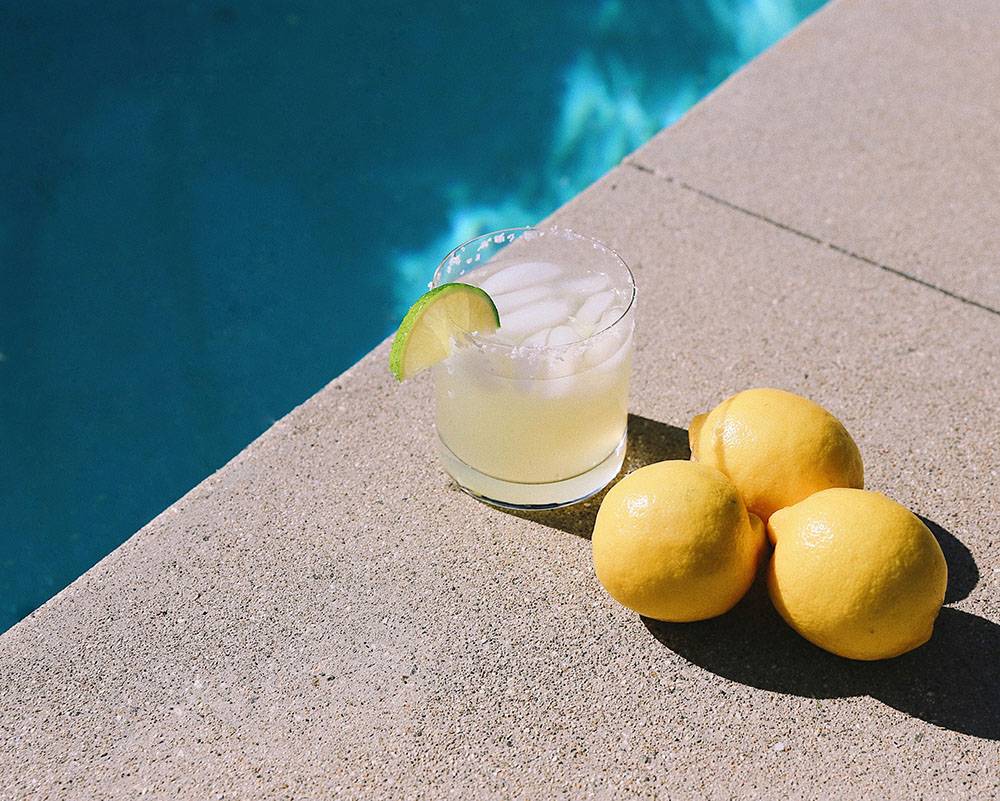
Summer is the single most commercially significant trading window for the UK drinks industry. If you want to launch your drinks brand in time for summer, the window to act is right now, and the brands that move with purpose in the next eight weeks will be the ones earning retail space, consumer trial, and genuine market momentum through the peak trading months of June, July, and August.
At Branding Innovations, we have helped founders launch drink brands across every season. Summer launches, executed correctly, consistently outperform cold-weather launches for new brands for reasons that go beyond weather. This article gives you the precise, practical timeline and strategy to make it happen.
Why Summer Is the Right Moment to Launch a Drinks Brand
Summer 2026 is shaping up to be a key moment for beverage innovation, with brands targeting longer days, social occasions, and on-the-go consumption. Ready-to-drink formats, seasonal cues, and functional benefits are all playing a central role in new product strategies.
The commercial case for a summer launch is built on four specific advantages.
Higher consumption occasions. More outdoor socialising, festivals, travel, sport, and warm-weather hydration all drive significantly higher soft drink, functional drink, and adult soft drink consumption between June and August. A new brand launching into this elevated consumption environment has more organic trial opportunities than at any other time of year.
Retailer receptivity. Buyers conduct category reviews specifically ahead of summer trading. A brand with a compelling summer positioning — hydration, energy, botanical refreshment, alcohol-free occasions — has a natural commercial story that fits the buyer’s current buying priority.
Consumer discovery mindset. Summer occasions — barbecues, picnics, festivals, pub gardens — create the social discovery moments where new drink brands get found. A consumer who tries something new at a friend’s barbecue in July is far more likely to seek it out in a shop than a consumer who notices a shelf talker in a supermarket in February.
Social media content. Retail reach and visibility remain critical, with launches tied to major multiples, limited-edition drops, and lifestyle collaborations. Packaging and storytelling are being used to reinforce premium credentials and seasonal relevance.
Drinks in the sunshine are inherently photogenic. Every summer occasion where your product is present is a potential content asset. The social media amplification that naturally accompanies summer consumption is a marketing channel that winter launches simply do not have.
The Summer Launch Timeline: Working Backwards From August
The critical principle of any seasonal launch is backwards planning. If you want to be on the shelf — or in consumers’ hands — by June 2026, the question is not what needs to happen in June. It is what was needed to happen in January.
The timing of a launch for a new beverage is critically important. Environmental factors, including economic, political, and cultural elements, can all impact a product launch. For seasonal products, timing is the difference between catching a category wave and missing it entirely.
Timeline:
For a brand aiming to launch in time for summer 2026, here is where you are in the timeline right now and what needs to happen immediately.
May 2026 — Where You Are Now: Launching into national grocery retail in May is already late because major supermarkets usually finalise their summer product ranges earlier. However, specialist retail, DTC, gyms, and foodservice channels still offer strong opportunities and often serve as smarter starting points for new brands.
If the product and branding are ready, a May launch through these channels can build customer demand and sales proof that helps secure supermarket discussions during autumn range reviews.
If your product is not yet ready, May is the right time to accelerate development and target a strong late-summer or early-autumn launch — with summer 2027 approached properly from January.
The honest timeline for a summer-ready drink brand:
| Month | Action Required |
| January | Recipe finalised, branding commissioned, buyer conversations initiated |
| February | Packaging artwork completed, pilot production run, stability testing begun |
| March | Production run ordered, HFSS status confirmed, regulatory sign-off |
| April | Stock arrives, retailer conversations confirmed, DTC site live |
| May | PR launch, influencer seeding, and sampling activations begin |
| June–August | Peak trading, sustained sampling, social content, and reorder management |
The Drinks That Win in Summer 2026
Not all drink categories benefit equally from a summer launch. Understanding which products have genuine summer commercial momentum shapes both the product development and the launch positioning.
Health, wellness, and performance continue to influence new product development, with protein, electrolytes, and caffeine alternatives moving further into the mainstream. Matcha, hydration mixes, and functional teas are all being positioned as everyday rituals rather than niche choices.
Hydration and electrolyte drinks — summer heat drives genuine physiological demand for electrolyte replenishment. This is not a trend-driven category claim. It is a consumer reality during warm weather. A clean-label electrolyte drink positioned around outdoor activity, sport, and recovery has a natural summer commercial story.
Alcohol-free and low-alcohol drinks — 76% of UK consumers are now actively moderating alcohol intake. According to 2026 KAM Insight data, 34% of UK adults regularly alternate between alcoholic and non-alcoholic drinks during the same occasion — the “zebra striping” behaviour driving demand for adult, premium-feeling alcohol-free options at festivals, bars, and events.
Summer Launch:
Summer is the peak trading period for alcohol-free drinks. The social occasions that drive trial — festivals, barbecues, outdoor dining — are most concentrated in summer months. Belvoir Farm’s Hugo Spritz launch secured Sainsbury’s from 8 March and Waitrose from 19 April 2026, specifically to capitalise on summer demand for the no- and low-alcohol category. Smart brands planned this in January.
RTD functional drinks — Summer 2026 beverage NPD is placing RTD formats at the centre of seasonal product strategy. Clean-label credentials remain a key focus, with hydration, alcohol-free, and wellness-positioned brands leaning into simplified formulations, reduced sugar, and plant-based ingredients.
Bold fruit and botanical flavours — The “fricy” flavour trend — blending fruit and spice — has been highlighted by BBC Food and WGSN as a key taste direction for 2026. Whitebox Cocktails launched a Selfridges-exclusive Spicy Mango Margarita specifically for early summer demand. Tropical, citrus, and botanical flavour profiles perform strongest in summer — matching consumer mood and occasion.
What a Summer-Ready Drinks Brand Needs
A drink brand that launches in time for summer but is not genuinely ready wastes the opportunity entirely. Summer launches create awareness. Only a great product and a coherent brand convert that awareness into loyalty.
A Product That Earns Repeat Purchase
The summer consumer has an enormous choice. Every chiller in every convenience store, gym, and festival will be full of cold drinks competing for the same moment of consideration. A product that delivers on its promise — in taste, in functional benefit, and in the experience it creates — earns the second purchase that builds a brand. A product that disappoints is forgotten within the same afternoon.
At Branding Innovations, every recipe we develop is built for commercial production from the start. Our formulation team, led by Claire with 40 years of experience, works alongside Dr. Lilla Bessenyei — our specialist in functional and wellness ingredients — to ensure that every drink we develop tastes outstanding and delivers on what it promises.
Packaging That Works in Summer Environments
Summer occasions are visually rich. Festivals, gardens, beaches, and outdoor dining are photographed constantly. Your drink’s packaging is either a social media asset or a missed opportunity in every one of those moments.
Seasonal occasions are being used by brands to reinforce premium credentials through packaging and storytelling. Limited-edition summer packaging and visual identity tied to seasonal occasions consistently drive higher trial and social sharing than year-round formats.
Bold summer colours, lightweight formats comfortable to hold on warm days, and packaging that photographs well in natural light are all commercial considerations — not aesthetic ones. Our brand development services at Branding Innovations build packaging specifically for the environments where the brand will be consumed, not just the environments where it will be reviewed.
A DTC Channel Ready Before Retail
For a brand launching into summer 2026 without confirmed retail listings, the DTC channel is not a consolation prize. It is the right first step.
A well-built DTC site allows you to control the consumer experience completely, capture first-party data, test marketing messages, build your email list, and generate the sales velocity evidence that retail buyers require before listing conversations progress.
Brands design single-serve can formats to reduce the perceived risk of trying a new product by offering a lower-commitment option that suits festivals, bars, and events. A DTC offer built around a sample pack or summer taster bundle reduces the barrier to first purchase and maximises trial among consumers who want to try before committing.
HFSS Compliance Confirmed Before Any Marketing Spend
The legislation prohibits brands from using paid advertising for HFSS products online, including influencer posts, videos, and stories. It also restricts any paid, gifted, or incentivised promotion of HFSS food and drink products across social media platforms.
Before investing in a summer launch campaign, brands must confirm the product’s HFSS status to avoid wasting marketing budget on restricted advertising activities. Check your product’s status against the Food Standards Agency nutrient profiling model before finalising your summer marketing plan.
If your drink scores below the HFSS threshold — as most functional, low-sugar, health-positioned summer drinks do — you have access to paid media channels that higher-sugar competitors have lost since January 2026. This is a genuine commercial advantage.
Getting into Summer Retail: The Buyer Conversation
The honest picture of summer 2026 retail listings:
National grocery (Tesco, Sainsbury’s, Waitrose, Ocado) — ranging decisions for summer are already finalised. New brand listings in national grocery stores for peak summer trading require conversations that began in January at the latest. If you have not had this conversation yet, the earliest realistic listing opportunity is the autumn range review, with summer 2027 as your primary retail target.
Specialist retail (Planet Organic, Whole Foods, Holland & Barrett, independent health stores) — these buyers operate on shorter timelines and are actively seeking new brands right now. A well-positioned, summer-relevant brand with strong packaging and a credible commercial story can secure a specialist retail listing in weeks rather than months.
Convenience (Spar, Nisa, independent convenience) — convenience channel buyers respond faster than grocery multiples and are particularly receptive to new functional, health, and alcohol-free brands during summer. Route to market through a specialist distributor or a direct approach to convenience buyers is achievable within a summer launch timeline.
Foodservice (cafés, gyms, bars, restaurants, festival operators) — the fastest-moving channel for summer. A functional drink brand securing placements in premium gyms, yoga studios, and health cafés in May and June builds exactly the consumer context and commercial data needed for retail buyer conversations later in the year.
At Branding Innovations, our buyer network of over 6,500 direct contacts — built over 20 years — includes the specific buyers at specialist retailers, convenience chains, and foodservice operators who are actively seeking summer-relevant brands right now. We make warm introductions with brands that are ready to perform commercially.
The Summer Marketing Plan That Actually Works
A summer drinks launch marketing plan in 2026 must work within the HFSS regulatory constraints while maximising the specific consumer behaviour patterns of the summer season.
Sampling at Summer Occasions
This is the single highest-converting summer marketing activity available to a new drinks brand. The right summer sampling strategy:
Retail reach and visibility remain critical, with launches tied to lifestyle collaborations and seasonal activations. Brands using experiential and sampling approaches in summer contexts consistently outperform brands relying on digital advertising alone.
- Food festivals — Foodies Festival, Taste of London, and local food markets. The consumer attending a food festival is in active food and drink discovery mode.
- Outdoor fitness events — running events, cycling festivals, outdoor yoga, and CrossFit competitions. Your hydration or functional drink belongs at the finish line.
- Festival season — Glastonbury, Latitude, Wilderness. Alcohol-free and functional drink brands have genuine placement opportunities in the wellness and wellbeing areas of major UK festivals.
- Pop-up retail and hospitality — summer pop-ups at garden centres, farm shops, and lifestyle markets attract exactly the health-conscious, premium-spending consumer that most functional drink brands target.
Short-Form Video and Seasonal Content
Authentic short-form video content is the highest-return marketing channel for new drink brands in 2026. Consistency matters far more than production quality.
Summer provides inherently compelling content contexts. Your drink is being poured over ice in a garden. The founder at a farmers’ market sampling event. A cocktail recipe using your product at a rooftop bar. These are real, visual, seasonal stories — the exact content that stops the scroll on Instagram and TikTok.
The content calendar for a summer drink brand launch:
- Pre-launch (May): Founder story, product development behind-the-scenes, teaser of packaging
- Launch week: Unboxing content, first retailer spotted, sampling event highlights
- Peak summer (June–August): Serve suggestions, consumer reactions, seasonal occasion content, festival coverage
- Post-summer: Harvest the content library for autumn campaign use
PR Tied to Summer Occasion Stories
The “fricy” flavour trend — blending fruit and spice — has been highlighted by BBC Food and WGSN as a key taste direction for 2026.
The most compelling summer drink PR pitches connect the brand to the specific cultural moments that food and drink journalists are writing about right now. Trend-connected stories — the no-alcohol summer, the hydration revolution, the functional cocktail — attract editorial interest. A “new drink launched” announcement does not.
Approach food editors at The Guardian, Olive Magazine, Delicious Magazine, and specialist drinks press like Harpers with a story angle relevant to the summer 2026 consumer conversation — not a product press release.
The Common Summer Launch Mistakes
After 20+ years of launching drink brands, the patterns of failure in summer launches are as consistent as the patterns of success.
Launching too late to build momentum. A drink brand that soft-launches in August has missed the peak of the summer trading window. By the time awareness builds, the season is over. Launch in May or June to allow the full summer trading period to work.
Underproducing the first run. Running out of stock mid-summer is one of the most damaging things that can happen to a new drink brand. You have paid for the marketing that created the demand. You cannot fulfil it. The consumer buys something else — and may not come back. Forecast conservatively but plan production generously.
No reorder strategy. A summer launch that succeeds creates an immediate reorder pressure. Co-packer lead times are typically 6 to 10 weeks. If your first run sells out in July and you have not already placed the reorder, you will be out of stock for the rest of the summer.
Over-relying on social media without sampling. Social content creates awareness. Sampling creates a trial. Trial creates loyalty. A summer marketing plan that invests entirely in digital at the expense of physical sampling misses the highest-converting activity available.
Ignoring the DTC channel. A consumer who finds your brand at a festival, scans a QR code on the packaging, and buys online directly is your most valuable customer — high margin, first-party data captured, and a direct relationship established. Build the DTC channel before the summer launch, not after.
The Summer Drink Trends Worth Knowing in 2026
Understanding what is driving consumer choice in summer 2026 allows a new brand to position its launch within the conversations consumers are already having.
Brands are positioning matcha, hydration mixes, and functional teas as everyday rituals instead of niche products for summer 2026. Wellness and hydration brands also continue focusing on clean-label products with simpler formulations and lower sugar content.
WGSN and BBC Food have identified the “fricy” flavour trend, a mix of fruit and spice, as one of the leading flavour directions for summer 2026. Spicy mango, ginger-citrus, and chilli-watermelon profiles are generating strong consumer engagement.
The “zebra striping” behaviour — alternating between alcoholic and non-alcoholic drinks on the same occasion — now characterises the drinking habits of 34% of UK adults according to KAM Insight 2026 data. Premium-feeling alcohol-free options for summer occasions are in genuine consumer demand.
Flavour continues to lead NPD across RTDs and functional drinks, with brands investing in bolder profiles and seasonal concepts to drive penetration.
The summer 2026 drink consumer is not looking for the safest choice on the shelf. They are looking for something that surprises them — in flavour, in format, or in function. Boldness, when backed by a great product, is rewarded in summer more than in any other season.
FAQs: Launch Your Drinks Brand in Time for Summer
Q1: Is it too late to launch a drink brand in time for summer 2026?
For national grocery listings, the window has largely closed; those range decisions were made in Q1. But specialist retail, foodservice, convenience, and DTC channels remain fully accessible. A May/June launch into these channels builds the proof of demand needed for grocery conversations in autumn.
Q2: What drink categories perform best in summer?
Hydration and electrolyte drinks, alcohol-free and low-alcohol alternatives, botanical and fruit-forward RTDs, and functional energy drinks all experience their highest consumption in summer. Bold flavour profiles, particularly tropical, citrus, and spice-fruit combinations, perform significantly above average in warm-weather trading periods.
Q3: How far in advance do retailers need to be approached for summer listings?
National grocery requires a minimum of four to six months’ lead time. For a summer 2026 listing, that conversation needed to begin in January. Specialist retailers operate on shorter timelines and can list a new brand within four to eight weeks of a compelling initial approach.
Q4: How important is packaging for a summer drink launch?
Critical. Summer occasions are heavily photographed and shared; your packaging is either a social media asset or a missed opportunity at every outdoor moment. Packaging that performs in natural light, photographs well in a consumer’s hand, and communicates the brand’s summer relevance creates organic content that no advertising budget can replicate.
Q5: What is the HFSS impact on summer marketing?
Brands with HFSS-qualifying products cannot run paid social media advertising or paid influencer campaigns. Brands below HFSS thresholds, including most functional, low-sugar, and clean-label summer drinks, retain full access to paid media channels. Confirm your HFSS status at the Food Standards Agency before committing any summer marketing budget.
Q6: Can Branding Innovations help launch a drink brand for summer 2026?
Yes, we can accelerate the development, brand, and route-to-market process and introduce the brand directly to relevant buyers through our network of 6,500 contacts. Book a free consultation today to discuss your timeline and what is realistically achievable.
Final Thought
Summer 2026 is already here. The brands that were prepared in January are already on shelves. But the opportunity is not closed for founders who move decisively right now.
Specialist retail, foodservice, DTC, and sampling channels are all available to a well-prepared brand launching in May and June. And a summer that builds genuine proof of demand, consumer trial, sales velocity, retailer relationships, and a community of loyal first-time buyers is the foundation for a compelling grocery pitch in autumn and a dominant summer 2027.
Summer 2026 is shaping up to be a key moment for beverage innovation. RTD formats, seasonal cues, and functional benefits are all playing central roles in new product strategy, and the brands that capture this moment will carry significant commercial momentum into the second half of the year.
At Branding Innovations, we work with founders at every stage of this journey, from the product in development to the brand on the shelf. If you are ready to launch your drinks brand in time for summer, talk to us today.
Read our Book for Guidance
Richard Horwell is the Managing Director of Branding Innovations, a London-based drink development and branding agency. He has over 30 years of FMCG experience across the UK, USA, Australia, and the Middle East, and has been behind the development of more than 200 food and drink brands worldwide. For specialist guidance on product development and brand development, contact the Branding Innovations team today.