
How format, minimum runs, retailer acceptance, freight, shelf life and cost should shape a new drink’s packaging decision.
Packaging is a business decision
The pack is part of the product, the production method and the route to market. Choosing it on appearance alone can leave a founder with an attractive design that is too expensive to fill, difficult to distribute or unsuitable for target retailers.
The correct question is not ‘which pack do I like?’ It is ‘which format best supports this drink, consumer, price, production scale and sales channel?’
Glass, PET, cans and cartons
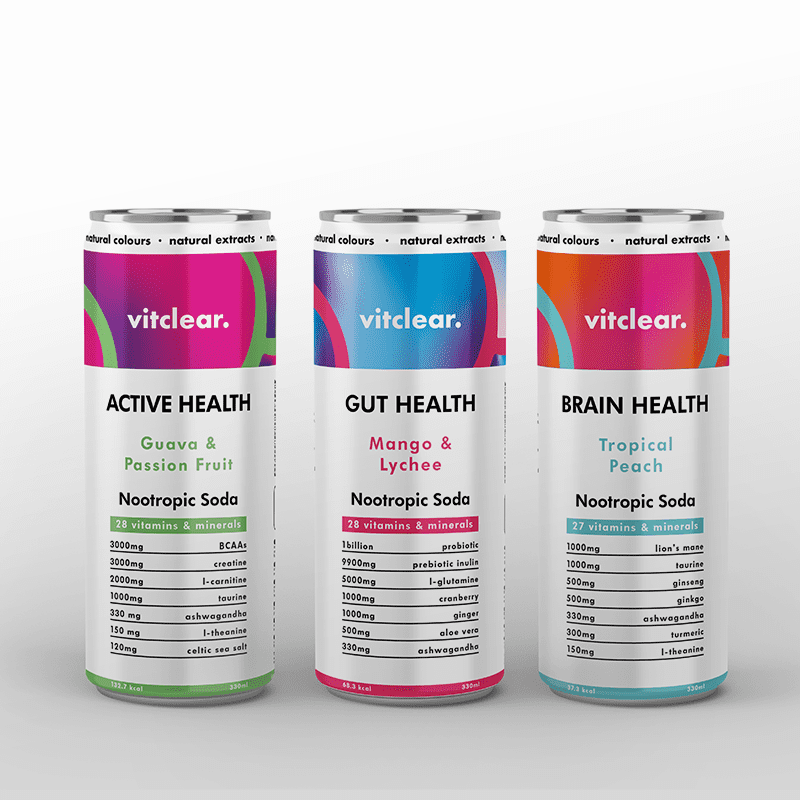
Glass can support a premium experience and may allow certain smaller runs, but weight, breakage and mail-order risk can work against it. PET offers practical advantages, although consumer expectations and filling method must be considered. Cans are popular and efficient at scale; test runs using sleeves or digital print can be useful, but the unit cost is higher than mature printed volumes.
Carton formats can suit particular products and occasions, yet printed material commitments and filling access may be substantial. Each option must be priced as a complete system, including closure, label or print, case, pallet and transport.
The recipe determines the filling route
Carbonation, acidity, dairy or plant proteins, juice content, particulates and heat sensitivity influence which factories and processes are possible. Hot fill, aseptic processing, pasteurisation and chilled methods create different shelf-life and sensory outcomes.
Do not finalise artwork before confirming the production specification. A late change in pack size, legal panel or print area creates avoidable cost.
Consider powders and tablets
Why ship water when the consumer already has access to it? Powders and effervescent tablets can reduce freight, create a portable format and support direct-to-consumer or subscription models. They also bring different formulation, moisture-control and packaging requirements.
The format must still suit the occasion. Convenience only exists if preparation is simple and the finished drink tastes good.
Model the first run and the future
A small run is usually expensive per unit. A large run reduces unit cost but increases cash and stock risk. Calculate both the test-stage economics and the volume economics needed for the intended retail price.
Choose packaging only after discussing the recipe, filling route, minimum orders, retailer expectations and likely growth. The best pack is the one the business can manufacture, sell and reorder reliably.
Questions to resolve before proceeding
Use the article as a decision check. Confirm how the business will address packaging is a business decision; glass, PET, cans and cartons; the recipe determines the filling route. Record the evidence behind each answer before committing to the next major cost.
About Richard Horwell
Richard Horwell has been behind more than 200 food and drink brands worldwide during the past 20 years, supporting projects from market research and recipe development through branding and production. His approach is built around innovation rather than imitation and honest guidance about the risks of launching a new brand. Next step: Discuss your drink idea with Branding Innovations