
The Regulatory Breakthrough Still Reshaping Healthy Food & Drink Brands
Healthy food & drink brands are operating in the most exciting regulatory and commercial environment in years. The UK Food Standards Agency’s landmark ruling confirming that monk fruit decoctions are not a novel food continues to send shockwaves through the functional drinks market. And its commercial impact is only now being fully realized.
This ruling matters more today than it did at announcement. In 2026, the ingredient is actively transforming product launches, retail listings, and reformulation strategies across the UK and EU. The brands that moved early are already winning shelf space. The ones that have not yet acted are watching competitors gain ground.
At Branding Innovations, we have developed and launched over 200 drink brands worldwide. We advise entrepreneurs building functional beverage brands every week. And right now, monk fruit sits at the top of every conversation about clean-label formulation.
What Is Monk Fruit? The Ingredient Every Brand Founder Must Understand
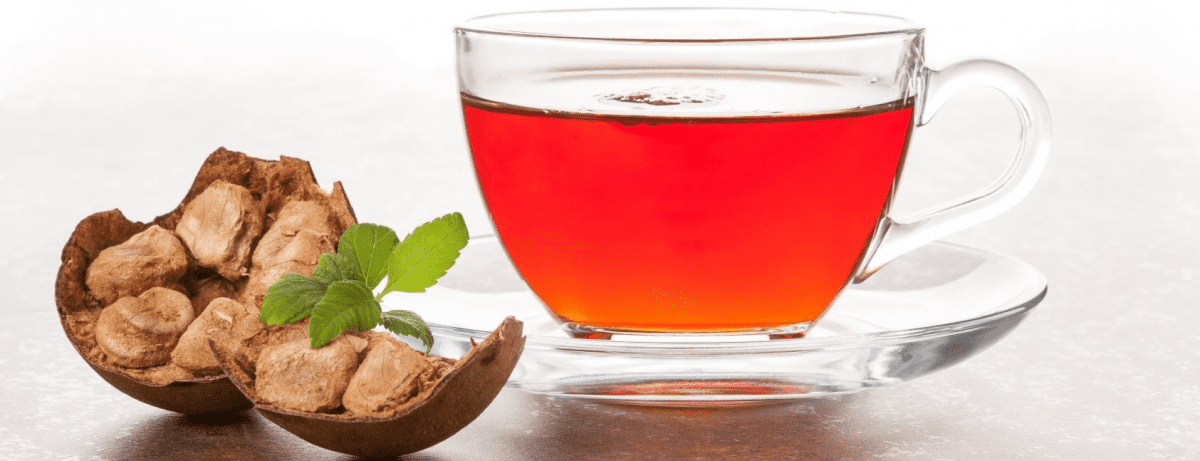
Monk fruit known scientifically as Siraitia grosvenorii and traditionally as Luo Han Guo is a small sub-tropical melon. It grows in the remote mountains of Southern China. It has been cultivated and consumed there for centuries. Its natural sweetness comes from compounds called mogrosides specifically mogroside V.
Monk fruit contributes sweetness to formulations with minimal sugar and calories, thanks to its sweet mogroside molecule which occurs naturally in the fruit.
What makes monk fruit exceptional for drink brands specifically is a combination of four qualities that no other zero-calorie natural sweetener currently delivers simultaneously:
- Zero calories. Monk fruit delivers intense sweetness with absolutely no caloric contribution. This supports HFSS compliance and calorie reduction claims without compromise.
- No aftertaste. Unlike stevia — which carries a bitter or liquorice-like finish at higher concentrations monk fruit decoctions deliver clean, rounded sweetness with no unpleasant aftertaste.
- Clean label. The ingredient declaration reads “concentrated monk fruit infusion.” That is fruit. Consumers understand it immediately. It communicates natural origin without any technical or chemical vocabulary.
- Antioxidant properties. Mogrosides the compounds responsible for monk fruit’s sweetness are natural antioxidants. This gives monk fruit a genuine functional health dimension beyond sweetness alone.
The global monk fruit sweetener market is estimated to grow from $178.2 million in 2026 to $303.4 million by 2033 a CAGR of 7.9% driven by rising health consciousness and clean-label demand that is rapidly transforming monk fruit from a niche ingredient to a mainstream sugar alternative.
The Regulatory Journey: From Novel Food to Open Market
Understanding the full regulatory story behind monk fruit helps brand founders appreciate both its significance and its durability as a commercial ingredient.
Before June 2024, monk fruit was classified as an unapproved novel food in the UK. This classification stems from the period when the UK was an EU Member State, when the European Food Safety Authority determined that people had not consumed monk fruit decoctions as food to a significant degree in the EU before May 1997, when the first novel food regulation came into force.
Monk Fruit Corp spent more than seven years collecting evidence of monk fruit decoction consumption and preparing a thorough dossier for submission to the FSA. In March 2024, the High Court gave judgment in favour of Monk Fruit Corp, ordering the FSA to provide a new decision.
On 27 June 2024, the FSA confirmed that monk fruit decoctions can now be used in food and beverage products sold in the UK. The FSA also provided independent verification that monk fruit decoctions were consumed prior to the novel food cut-off date in the EU.
In October 2024, Ireland’s Food Safety Authority of Ireland confirmed that monk fruit decoctions are no longer novel Ireland being the last EU member state to make the approval unlocking monk fruit decoctions for use across the full EU market.
By 2026, the regulatory position is unambiguous. Monk fruit decoctions are approved across the UK and EU. They can be used freely in food and drink products at any use level. No additional Novel Foods authorisation is required.
The 2026 Market Reality: Where Monk Fruit Stands Today
The monk fruit approval has had 18 months to mature in the UK market. Here is the honest picture of where things stand in 2026.
The UK is a major European market for monk fruit sweeteners, with demand estimated at €20–€30 million in 2026. The UK’s regulatory environment has been more permissive than the EU’s, allowing broader use of monk fruit in food and beverages.
The European Union monk fruit sweeteners market is valued at approximately €85–€110 million in 2026, with a projected CAGR of 11–14% through 2035 reaching an estimated €250–€350 million by the end of the forecast period.
The UK beverages ingredient market is estimated at £4.2–£4.8 billion in 2026. Sugar and sweeteners including stevia and monk fruit extracts represent 15–18% of imports. Regulatory pressure from the Soft Drinks Industry Levy and HFSS placement restrictions is the single strongest demand shaper, pushing buyers toward low-calorie sweeteners, natural flavor systems, and fiber based texture agents.
In practical terms, this means monk fruit is now actively entering mainstream UK product development pipelines. Approximately 38% of newly introduced soft drink products now include natural sweeteners such as stevia or monk fruit a figure that has grown significantly since the 2024 approval and is expected to accelerate through 2027 and beyond.
In January 2025, Red Bull introduced its “Red Bull Zero” energy drink in the US incorporating monk fruit extract alongside other sweeteners. In March 2026, Skyway entered India’s RTD nutrition space with Cloud Shake a protein milkshake featuring monk fruit as a natural sweetener alongside KSM-66 Ashwagandha. These launches signal that the world’s largest beverage companies are actively deploying monk fruit globally. Independent UK brands must move now before those giants dominate the clean-label monk fruit positioning.
Why This Is the Best Possible Moment for Healthy Food & Drink Brands
The monk fruit approval does not exist in isolation. It arrives at the convergence of several market forces that make 2026 an exceptional moment for healthy food & drink brands building in the clean-label functional space.
The Artificial Sweetener Problem Has Intensified
Consumer rejection of artificial sweeteners is stronger in 2026 than at any previous point. The World Health Organization guidance advising against non-sugar sweeteners for weight management issued in 2023 has now fully penetrated consumer consciousness. Label literacy among UK adults is at an all-time high.
Brands that still formulate with aspartame, sucralose, or acesulfame-K face a worsening consumer environment. Every month that passes, more consumers read ingredient lists and reject artificial compounds. Every month, brands with clean-label formulations gain ground.
The Functional Drinks Market Is Booming
Beverages are no longer just about hydration. From protein to gut health, and from energy to mental health, they offer myriad benefits to help consumers get more from their day to day lives sitting at a unique intersection of modern health, lifestyle, culture, and wellness in 2026.
Popular ingredients in the fastest-growing functional drink segments include natural sweeteners specifically stevia and monk fruit as first-choice clean-label options for zero-sugar formulation.
The GLP-1 Beverage Market Creates a New Opportunity
One of the most significant new commercial opportunities for healthy food & drink brands in 2026 is the GLP-1 medication user segment. The global GLP-1-friendly hydration drinks space is forecast to reach $3.48 billion by 2033, growing at a CAGR of 12.8% from 2025 to 2033.
GLP-1 medication users those taking weight management drugs like Ozempic and Wegovy have very specific nutritional needs. They consume less food. They require concentrated electrolytes, vitamins, protein, and gut-friendly formulations. And they are actively seeking beverages that support their health journey. Monk fruit is an ideal sweetener for this segment zero calories, zero glycemic impact, clean label, and natural origin.
Monk Fruit vs. Other Natural Sweeteners: 2026 Comparison
| Natural Sweetener | Sweetness vs Sugar | Calories | Aftertaste | Clean Label Rating | UK/EU Status 2026 |
| Monk Fruit | 150–200x sweeter | Zero | None | ⭐⭐⭐⭐⭐ | ✅ Fully approved |
| Stevia | 200–300x sweeter | Zero | Bitter at high doses | ⭐⭐⭐⭐ | ✅ Fully approved |
| Erythritol | 70% as sweet | Near-zero | Mild cooling | ⭐⭐⭐⭐ | ✅ Fully approved |
| Allulose | 70% as sweet | Near-zero | None | ⭐⭐⭐⭐ | ⚠️ Limited EU approval |
| Allulose + Monk Fruit blend | Variable | Near-zero | None | ⭐⭐⭐⭐⭐ | ⚠️ Check per market |
| Coconut Sugar | Similar to sugar | Moderate | None | ⭐⭐⭐⭐⭐ | ✅ Fully approved |
| Date Syrup | Similar to sugar | Moderate | None | ⭐⭐⭐⭐⭐ | ✅ Fully approved |
| Xylitol | Similar to sugar | Low | None | ⭐⭐⭐ | ✅ Approved (laxative warning) |
Blended formulations combining monk fruit with erythritol or allulose represent the fastest-growing segment in the monk fruit market, particularly in tabletop sweeteners and ready-to-drink beverages. The blend approach is now widely considered best practice combining the zero-calorie intensity of monk fruit with the mouthfeel and body contributed by erythritol, creating a sweetness profile that closely mirrors sugar without any of its downsides.
How Monk Fruit Fits Every Major Functional Drink Category in 2026
Energy and Hydration Drinks
Laird Superfood expanded its Hydrate drink mix range in 2026 with variants sweetened with monk fruit formulated with real-food ingredients, zero added sugar, and Aquamin red marine algae for bioavailable minerals and electrolytes. This launch exemplifies the direction the entire hydration category is moving monk fruit as the clean-label sweetener of choice for premium, functional hydration products.
For brands formulating electrolyte drinks and functional energy beverages, monk fruit now offers the definitive clean-label path to HFSS compliance. It replaces both sugar and artificial sweetener alternatives simultaneously. The result is a product that achieves compliance without the artificial sweetener stigma that damages consumer trust.
Functional Mocktails and Adult Soft Drinks
The functional mocktails and adult soft drinks category demands premium positioning in 2026. Premium positioning demands premium ingredients. A sparkling botanical functional drink sweetened with concentrated monk fruit infusion communicates something entirely different from one sweetened with aspartame. That story commands a higher price point, attracts more discerning retail buyers, and builds stronger consumer loyalty.
Nootropic and Wellness Drinks
Nootropic drink consumers are among the most label-literate in the market. They research every compound. A product sweetened with monk fruit a natural, antioxidant-rich fruit extract aligns perfectly with the values of this consumer group. For a detailed breakdown of nootropic drink formulation, see our full article on nootropic drinks and brainpower.
GLP-1 Support Drinks
As discussed above, monk fruit is the ideal sweetener for GLP-1 support beverages the fastest-growing new functional drink segment of 2026. Zero calories. Zero glycemic impact. Clean label. Natural origin. These are precisely the attributes GLP-1 medication users and their healthcare providers look for in a functional drink.
Gut Health and Prebiotic Drinks
Gut health drinks face a specific sweetener challenge. Many prebiotic and probiotic formulations carry complex, slightly acidic, or earthy flavor profiles from fermented ingredients. They need a sweetener that integrates naturally. Monk fruit decoctions produced by combining monk fruit with hot water in a traditional infusion method carry a clean, rounded sweetness that integrates exceptionally well with fermented profiles. They also carry no known negative effects on gut microbiome health.
The Regulatory Landscape in 2026: What Brands Must Know
HFSS Regulations Are Tightening Further
The UK’s HFSS regulations continue to evolve. Brands must ensure their products achieve compliant nutrient profile scores to avoid promotional and placement restrictions at retail. Monk fruit decoctions directly support HFSS compliance reducing both calorie and sugar content without compromising taste.
Health Claims Remain Strictly Regulated
Claims about cognitive, immunity, or weight management benefits connected to any ingredient including monk fruit must comply with the UK Register of Nutrition and Health Claims. Only approved claims with specific authorized wording may appear on pack or in marketing.
Novel Foods: The Ongoing Landscape
Regulatory complexity around health claims and novel food approvals creates long lead times for new functional ingredients often 12–24 months for FSA authorization slowing product innovation for smaller brands. Monk fruit sidesteps this entirely. It requires no novel food authorization. But many of the most exciting adaptogen, mushroom extract, and botanical ingredients that brands want to pair with monk fruit may still require careful regulatory review.
At Branding Innovations, our functional ingredient specialist Dr. Lilla Bessenyei manages full regulatory compliance for every brand we develop from ingredient Novel Foods status verification through to health claim compliance review before a single unit goes to production.
The HFSS Reformulation Opportunity: A 2026 Practical Guide
| Reformulation Goal | How Monk Fruit Helps | 2026 Outcome |
| Reduce sugar content | Replaces sugar as primary sweetener | Lower sugar declaration, HFSS score improvement |
| Reduce calories | Zero-calorie sweetness contribution | Reduced energy per serving |
| Improve HFSS score | Sugar and calorie reduction together | Potential reclassification out of HFSS |
| Maintain taste quality | Clean sweetness, no aftertaste | No consumer taste perception compromise |
| Improve label appeal | “Fruit infusion” declaration | Stronger clean-label consumer perception |
| Target GLP-1 users | Zero glycaemic impact | Compliant with GLP-1 nutritional guidance |
| Support health claims | Natural antioxidant origin | Supports premium wellness positioning |
This combination of outcomes makes monk fruit decoctions the most commercially powerful reformulation tool available to UK drink brands in 2026.
Building a Monk Fruit Drink Brand: The Development Process
Recipe Development
Formulating effectively with monk fruit requires understanding how the ingredient behaves across different drink formats. It requires understanding how it interacts with other natural sweeteners, how it performs at different pH levels, and how its sweetness profile integrates with functional and flavoured ingredients.
Our recipe development team has over 40 years of experience formulating functional beverages. Every recipe we develop using monk fruit goes through multiple iterations testing sweetness balance, mouthfeel, stability, and shelf-life performance before we consider it ready.
Brand Development
The monk fruit approval is a brand story as much as a formulation opportunity. “Sweetened with concentrated monk fruit infusion a fruit from the mountains of Southern China, used for centuries.” That is something to put on your label, your website, and your social content. Our brand development process builds this kind of ingredient storytelling into the entire brand identity.
Production and Launch
Our production service connects brands with vetted co-packers experienced in natural sweetener formulations. Our launch service then activates our database of 6,500+ UK buyers the category managers and purchasing directors at supermarkets, health retailers, gyms, hospitality chains, and online platforms actively seeking clean-label functional drink brands.
Expert Insight: What We See in the Market in 2026
After nearly two decades and over 200 brand launches, here is what our direct market experience tells us about healthy food & drink brands building in the monk fruit era.
The brands gaining traction in 2026 are not just using monk fruit as a sweetener. They turn it into a brand asset, place it front and center on their packaging, educate consumers about its origin and value, and use the “concentrated monk fruit infusion” declaration as proof of their clean-label promise.
The brands that are struggling treat it as a back-of-pack technical detail something to satisfy a formulation requirement rather than something to celebrate. These brands miss the enormous consumer communication opportunity that a genuinely interesting, naturally sourced, zero-calorie fruit sweetener provides.
In 2026, the consumer is sophisticated. They respond to authentic ingredient stories. Monk fruit has one of the best ingredient stories in the functional drinks market. Use it.
FAQs: Healthy Food & Drink Brands and Monk Fruit in 2026
Q: Is monk fruit fully approved for use in UK drink products in 2026?
Yes. The UK FSA confirmed in June 2024 that monk fruit decoctions are not a novel food meaning no additional authorization is needed. Brands can use monk fruit decoctions freely in UK food and drink products in 2026 at any use level.
Q: How does monk fruit compare to stevia for drink formulation in 2026?
Monk fruit and stevia are both zero-calorie natural sweeteners, but monk fruit has a clear advantage it carries no bitter aftertaste at higher concentrations, making it significantly easier to formulate at levels that deliver meaningful sweetness without taste compromise.
Q: What is the 2026 market size for monk fruit sweeteners in the UK?
UK monk fruit sweetener demand is estimated at €20–€30 million in 2026, within the broader EU monk fruit market valued at €85–€110 million. The EU market is growing at 11–14% CAGR through 2035, driven by sugar reduction mandates and clean-label demand.
Q: Can monk fruit help a brand target GLP-1 medication users?
Yes. Monk fruit is an ideal sweetener for GLP-1 support beverages zero calories, zero glycemic impact, clean label, and natural origin. The GLP-1 friendly hydration drinks market is forecast to reach $3.48 billion by 2033, making this one of the most significant new opportunities for functional drink brands in 2026.
Q: Does using monk fruit automatically make a drink HFSS compliant?
Not automatically HFSS compliance depends on the full nutrient profile of a product, including fat, salt, and sugar content. However, replacing sugar with monk fruit directly improves two key HFSS scoring factors calorie and sugar content significantly improving a product’s chances of achieving a compliant score.
Q: How do I start developing a monk fruit drink brand in the UK?
Start with a clear consumer positioning and functional benefit. Then invest in proper recipe development with an experienced partner who understands natural sweetener interactions and stability. Regulatory compliance, branding, and production must all be addressed before approaching buyers. Working with an experienced drink development agency saves significant time and cost.
Final Thoughts: The Clean-Label Era Is Here — And Monk Fruit Leads It
In 2026, healthy food & drink brands are operating in the most favorable environment the clean-label functional drinks market has ever produced. Regulatory approval for monk fruit is confirmed and stable. Consumer demand for natural, zero-calorie ingredients is accelerating. Retail buyers are actively seeking products with credible clean-label stories. And the artificial sweetener category is in visible decline.
The brands winning right now are the ones that moved early that took the monk fruit approval seriously, invested in proper recipe development, and built their entire brand story around genuine ingredient transparency.
The brands that will win over the next three years are the ones building today. With monk fruit as the formulation foundation, expert recipe development behind it, and premium branding that clearly communicates a clean-label promise.
The window is still open. But as the world’s largest beverage companies accelerate their own monk fruit product launches through 2026 and 2027, that window will narrow. Independent brands that move now with quality, speed, and expert support will establish market positions that are very difficult to dislodge.
If you are building a functional drink brand and want expert guidance on monk fruit formulation and clean-label strategy, speak to our team today. We offer a free initial consultation and bring nearly two decades of UK drinks market experience to every conversation.
Read our Book for Guidance
Branding Innovations is the UK’s leading specialist in drink development, branding, and product launch. Our functional ingredient specialist Dr. Lilla Bessenyei has deep expertise in natural sweeteners, novel foods regulation, and functional ingredient compliance. Our recipe development team has over 40 years of formulation experience. We have developed and launched over 200 brands worldwide.
For further reading, explore our related articles on natural flavors without artificial sweeteners, functional mocktails and adult soft drinks, and innovative flavor trends.