The Consumer Has Changed. Most Brands Have Not.
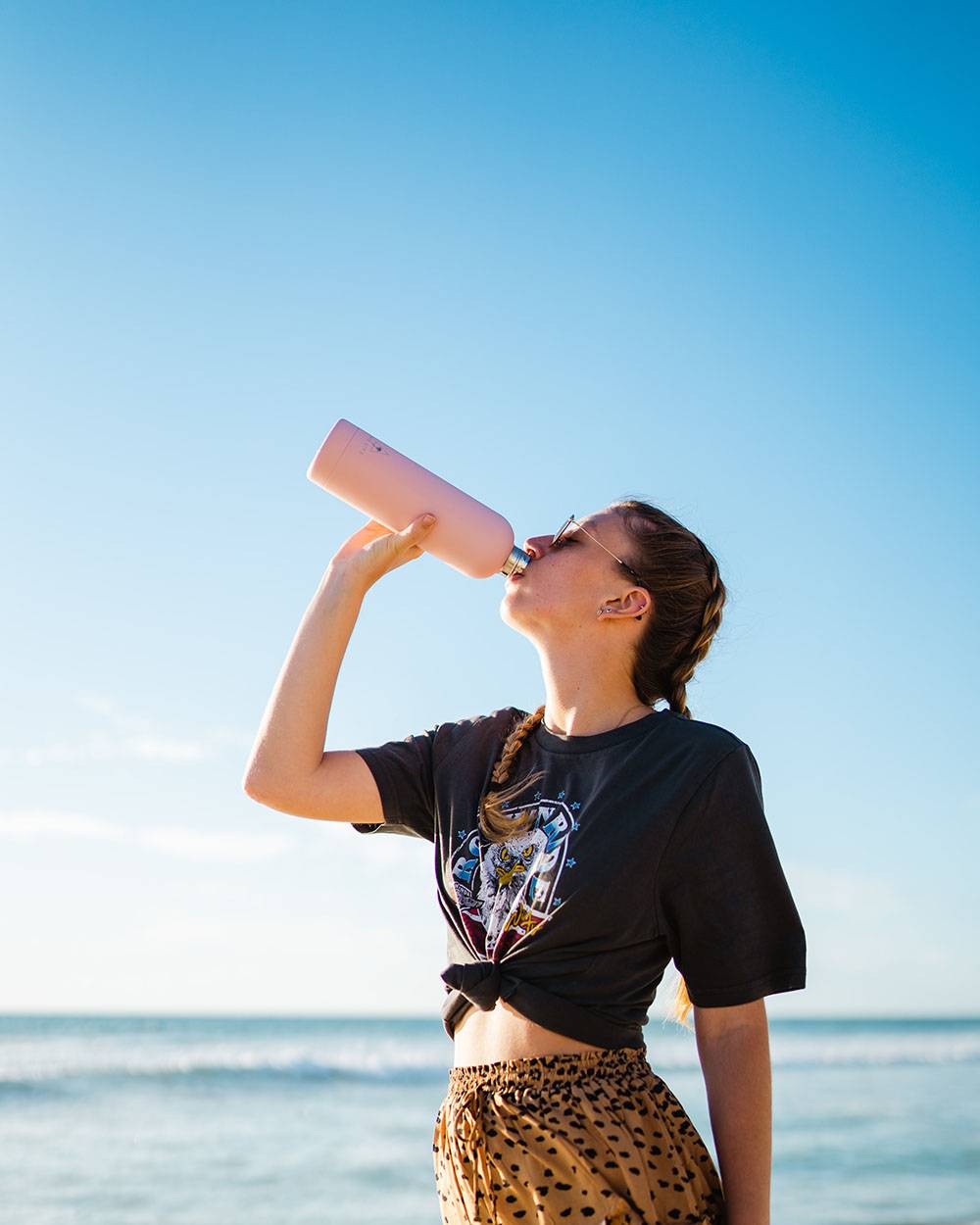
Understanding what thirsty consumers want in drinks in 2026 is the single most commercially valuable piece of intelligence any food and drink brand can possess. The consumer who stood in front of a chiller in 2019 and reached for a sugary energy drink or a standard still water is not the same consumer standing there today.
Consumers read labels, research ingredients on their phones before making purchases, and understand the benefits of different functional compounds. They actively choose products that support their daily wellness goals rather than simply quenching thirst.
For many consumers, beverages are no longer just about refreshment. They are part of everyday decisions about how people want to feel energy, focus, calm, balance. From the first drink of the day to social occasions later, beverages have become accessible wellness tools that fit naturally into daily routines.
In 2026, 66% of consumers say they are exercising more, 64% say they are making healthier food choices, and 52% now say they are prioritising sleep. That translates directly into beverage choices. Wellness plays a crucial role in beverage selection consumers increasingly view drinks as tools in their overall wellbeing plans, meaning they look at ingredients, sugar content, and functional benefits more closely than ever.
The brands that understand this shift and build products that respond to it precisely are the ones that earn shelf space, consumer loyalty, and lasting commercial growth. The brands that ignore it are competing on price in a race they cannot win.
This article breaks down every significant trend shaping what thirsty consumers want in drinks in 2026 with the data behind each one, what it means for product development, and how to build a drinks brand that meets these demands from the very first brief.
The UK Drinks Market in 2026: The Landscape Brands Must Navigate
The scale of what is happening in the UK drinks market reflects a fundamental, structural shift in consumer behavior not a temporary trend.
Analysts valued the functional beverage market at USD 151.80 billion in 2025 and estimate it grew to USD 163.84 billion in 2026. They forecast the market will reach USD 239.95 billion by 2031, expanding at a CAGR of 7.93%. Consumers are driving this growth by choosing beverages that provide specific wellness benefits in addition to hydration. Although energy drinks continue to lead in volume, consumers are increasingly seeking products that support sports hydration, gut health, and stress management.
Around 31% of UK consumers now drink energy-boosting beverages regularly, helping drive the functional beverage market toward a projected value of £2.4 billion. Between 2020 and 2023, consumers increased their consumption of fortified foods and beverages by 34%. Additionally, around 15% of UK consumers now regularly consume herbal or adaptogenic drinks.
Younger consumers in particular are choosing beverages with added benefits like energy support, gut health, and cognitive function, boosting revenue. This shift is driving brands to innovate, offering low and no-calorie options with functional benefits to match consumer preferences and comply with regulations like the Soft Drinks Industry Levy.
These numbers describe a market in full structural transition. Every brand building a drink for 2026 must respond to this consumer reality — in the formula, in the branding, and in every communication at the point of sale.
Trend 1 — Function Is No Longer a Differentiator. It Is a Baseline.
The most important shift in what thirsty consumers want in drinks in 2026 is that functional benefits have moved from a premium positioning option to a basic consumer expectation.
Energy is the number one functional benefit in both the US and UK, with 56% of UK consumers seeking it specifically. But digestive health, immune support, and cognitive function are gaining significant ground — especially among older consumers. The functional beverage market has moved from niche to near-mainstream, becoming one of the fastest-growing segments in food and drink.
Consumers are increasingly seeking beverages that offer targeted health advantages such as improved digestion, enhanced energy, and better hydration. This trend is reflected in the growing popularity of beverages infused with probiotics, electrolytes, and herbal extracts. In the UK, the market for functional beverages promoting mental wellness and stress relief has expanded significantly, with a reported growth of 12% in this segment.
What This Means for Product Development
According to the 2026 What’s Hot Culinary Forecast, the shift in consumer behavior is driven by a desire for healthier, more functional benefits that go beyond basic hydration or refreshment. Consumers expect authenticity and sustainability alongside personalized experiences. Gen Z and Millennials specifically want alternatives that meet those expectations, including mood and mental wellness beverages featuring adaptogens and mushroom essences like lion’s mane.
What this means for product development: A drink that only hydrates is not a functional beverage in 2026 — it is a commodity. Every new drink brand must build a specific, credible functional story into the formulation from day one. The function must be delivered by ingredients dosed correctly — not at the lowest concentration that still permits a label claim.
At Branding Innovations, Dr. Lilla Bessenyei leads all functional ingredient research — assessing every compound against published dosage research to ensure the product genuinely delivers the benefit it claims. This is what builds the consumer trust that drives repeat purchase.
Trend 2 — Taste Remains the Non-Negotiable Purchase Driver
Understanding what thirsty consumers want in drinks requires accepting one fundamental truth that no amount of functional positioning can override: consumers buy for health, but they return for taste.
Taste is non-negotiable. 92% of consumers in both the US and UK say it is the most important purchase factor — ahead of price, ahead of health claims, and ahead of sustainability credentials. Scientific backing matters: 81% of UK consumers want clinical research behind functional claims. But without exceptional taste, the science on the label means nothing commercially.
52% of consumers say they are willing to pay more for drinks that support health and wellness goals. But the willingness to pay a premium depends entirely on the product delivering a genuinely enjoyable taste experience. A functional drink that tastes medicinal generates one purchase. A functional drink that delights generates a loyal customer.
Consumers buy for health and return for taste. The expert lab team sources the best ingredients and refines every recipe until it meets the highest standards and tastes exceptional. This is the non-negotiable standard every drink must meet.
What this means for product development: The taste-function balance is the central formulation challenge for every drink brand in 2026. Many of the most powerful functional ingredients — adaptogens, mushroom extracts, bitter botanicals, certain probiotics — carry flavour profiles that challenge the palate at clinically meaningful doses. Professional recipe development masters the flavour pairing, the processing method, and the sweetener system that delivers function without compromising taste.
Claire, the lead recipe developer at Branding Innovations, brings 40 years of food science experience to this challenge — building formulas that taste as good as the functional story they tell.
Trend 3 — Consumers Want Less Sugar. Not No Sugar.
Sugar reduction is one of the most commercially important trends shaping what thirsty consumers want in drinks — and one of the most misunderstood.
Sugar is a growing concern. 83% of regular UK buyers prioritise low or no sugar content in functional beverages. This is the clearest statistical signal in the entire functional drinks market — the consumer wants lower sugar, and they are making purchasing decisions based on it.
This shift is driving brands to innovate, offering low and no-calorie options with functional benefits to match consumer preferences and comply with regulations like the Soft Drinks Industry Levy.
The SDIL taxes drinks above 5g of sugar per 100ml — a direct commercial penalty on high-sugar formulas. From January 2028, this threshold reduces to 4.5g per 100ml. Products classified as HFSS under the Nutrient Profiling Model face paid online advertising bans and pre-9pm TV restrictions. Clean-label, low-sugar formulation is therefore not just a consumer preference — it is a commercial marketing strategy.
But “less sugar” is not the same as “no sweetness.” A drink with no sweetness delivers a taste experience that the vast majority of consumers reject. The professional formulation approach uses natural sweeteners — stevia, monk fruit, small quantities of honey — at doses that maintain the taste experience while landing comfortably below the SDIL threshold.
What this means for product development: Build every formula to score below 5g of sugar per 100ml from day one — with headroom for the 2028 threshold of 4.5g per 100ml. Use natural sweetener systems that maintain taste quality without creating the artificial associations that sophisticated consumers increasingly reject.
Trend 4 — Scientific Backing Builds the Trust That Sells
One of the most significant shifts in what thirsty consumers want in drinks in 2026 is the demand for evidence behind every functional claim.
81% of UK consumers want clinical research behind functional claims — and that figure rises among regular buyers of functional beverages. This is not a niche consumer group asking for scientific rigour. It is the majority of the functional drink market demanding that brands prove what they claim.
Trust is low in the drinks market, but once won, consumers can be very loyal. They are looking for products they can trust to deliver on the claims they make. Consumers are well aware that advertising is designed to sell to them, and that messages do not always give the full story.
58% of consumers say they are paying more attention to the ingredients in their drinks. AI-driven product research is becoming the primary route to new beverage discovery — and AI tools prioritise brands with authoritative, evidence-based content over those with thin promotional copy.
This means a brand that makes a cognitive function claim must be prepared for the consumer who searches that ingredient on their phone before they buy. If the ingredient is at too low a dose to deliver the benefit, or if the health claim is not compliant with UK food safety regulations, that search produces distrust rather than conversion.
What this means for product development: Every functional claim must be backed by an ingredient at a clinically meaningful concentration. Every health claim must be verified against the UK Retained Health Claims Register before appearing on packaging or in any marketing material. Dr. Lilla Bessenyei at Branding Innovations leads this compliance and substantiation work for every brand the agency develops.
Trend 5 — Gut Health Has Moved to the Mainstream
Gut health is no longer a niche wellness category. It has entered mainstream consumer consciousness and is now one of the primary drivers of purchasing decisions in the UK drinks market.
There is a noticeable shift towards support for gut microbiomes among UK beverage consumers. Global brands are rapidly introducing products enriched with probiotics, adaptogens, and vitamin-mineral combinations to meet this growing demand.
Consumers are increasingly seeking beverages with targeted health advantages such as improved digestion. This trend is reflected in the growing popularity of beverages infused with probiotics and herbal extracts. The functional beverages market is benefitting from the increasing trend of clean-label products that support gut health clearly and credibly.
Mood and mental wellness beverages — including adaptogenic and mushroom essences that help combat stress, boost energy, and improve focus — are identified as one of the three top emerging beverage trends in 2026. The gut-brain connection is a growing area of consumer interest, linking digestive health with mood, energy, and cognitive performance.
Kombucha, prebiotic sodas, kefir-based drinks, and fibre-infused waters are all benefiting from this shift. The most commercially powerful positioning in this space combines gut health with a genuinely enjoyable taste experience — giving the consumer a product that delivers a functional benefit they can feel, in a format they genuinely enjoy drinking every day.
What this means for product development: Gut health ingredients — prebiotic fibre, probiotic cultures, fermented bases — present specific formulation challenges. Probiotic strains must survive the processing and shelf life conditions of the final product. Prebiotic fibre must be included at a dose that delivers measurable benefit. The taste implications of fermented ingredients must be expertly managed.
Trend 6 — Personalised Hydration Is Redefining the Category
The era of one-size-fits-all hydration is over. What thirsty consumers want in drinks increasingly reflects their specific individual circumstances — their training load, their stress levels, their sleep quality, their hormonal health, their age, their daily routine.
Personalised hydration is one of the defining 2026 consumer trends. Consumers desire customisable health solutions tailored to meet individual needs — like electrolyte balances, varied caffeine levels, and cognitive enhancement. This trend is driven by younger consumers who want beverages that specifically serve their personal wellness goals.
Functional beverages continue to gain momentum as consumers seek products that support everyday performance and balance — spanning needs such as immunity, gut health, sustained energy, and broader nutrition and beauty goals. Wellness has become a baseline expectation, shaping ingredients, nutritional aspects, and willingness to pay. Generational differences are redefining demand.
The practical implication for drink brands is that the most commercially successful new products in 2026 serve a specific, precisely defined consumer occasion — not a broad, generic wellness aspiration. A drink for the professional needing afternoon cognitive support serves a different need from a drink for the 40-plus woman seeking hormonal balance. Each requires a different formulation, a different brand positioning, and a different communication strategy.
What this means for product development: Define the specific consumption occasion and the specific consumer before writing the recipe brief. The more precisely the occasion is defined, the more effectively the formula can be built to serve it — and the more clearly the brand can communicate it at the point of sale.
Trend 7 — No and Low-Alcohol Drinks Are Now a Mainstream Category
The no and low-alcohol movement has crossed from a trend into a permanent structural category shift — and it is directly reshaping what thirsty consumers want in drinks across every channel from premium retail to the on-trade.
Functional beverages give on-trade operators a strong opportunity to diversify menus and attract wellness-focused consumers. Bars, restaurants, and cafés increasingly need to offer non-alcoholic options that go beyond traditional soft drinks. Functional beverages satisfy this demand while enabling operators to charge premium prices.
As diners place greater emphasis on health and wellness, they are choosing low- and no-alcohol drinks more frequently. Consumers are driving this shift because they want beverages that deliver functional benefits beyond basic hydration. CBD-infused beverages provide a non-alcoholic option for relaxation, stress management, and general wellness without causing intoxication.
In 2026, consumers who choose no- and low-alcohol drinks are not primarily seeking sobriety or addressing health concerns. Instead, they want sophisticated, adult-oriented beverages that fit naturally into social occasions. They look for premium presentation, complex flavours, and meaningful functional benefits that reward their choice.
This creates a formulation challenge that goes beyond simple alcohol removal. A no and low-alcohol drink must earn its premium positioning through ingredient quality, flavour complexity, functional delivery, and visual presentation — not through comparison with its alcoholic equivalent.
Trend 8 — Consumers Demand Clean Labels Above Almost Everything
Sugar content, clinical proof, and price all shape purchase decisions — but clean label credentials run through all of them as a foundational expectation. The shift toward clean-label functional beverages has moved from a niche preference to a market-wide requirement.
Consumers want brands to be transparent. They want to understand the brand’s heritage and values. The 2026 consumer reads ingredient lists and researches what each one does. Any ingredient they cannot identify, pronounce, or trust immediately raises doubt about the entire product.
The functional beverages market is benefitting from the increasing trend of clean-label products. Consumers are increasingly seeking beverages with targeted health advantages that combine functional benefits with short, recognisable, trustworthy ingredient lists.
The anti-ultra-processed food movement has made this even more acute in 2026. A drink with artificial preservatives, artificial colours, artificial sweeteners, or a processing aid that triggers UPF classification risks losing the trust of a significant and growing consumer segment — regardless of the functional credentials on the front of pack.
What this means for product development: Every ingredient must earn its place on the label — in taste, in function, or in clean-label credibility. Any ingredient that fails this test weakens consumer trust in everything else the product claims.
Trend 9 — Sustainability Is Growing in Commercial Importance
Only 60% of UK consumers currently rate eco-credentials as important — making it the lowest-scoring factor in functional beverage purchasing decisions compared to taste, price, and health claims. However, this figure is rising steadily and the consumer segment for which sustainability is a primary driver is the most commercially influential: urban millennials and Gen Z with premium disposable income.
Consumers are looking for certifications like B Corporation, which commends businesses that give as much consideration to their social and environmental impact as they do to their financial returns. Wanting to buy from companies with matching values is an opportunity for new independent brands — as established companies cannot adapt quickly enough to credibly claim this ground.
82% of shoppers want to buy from brands with values aligned with theirs. Brands that showcase their values stand a better chance of keeping hold of customers in the long term. Consumers are not just looking for quality products — they seek an engaging, personalised customer experience, transparency, and a sense of community.
Sustainability in 2026 means ingredient sourcing transparency, packaging recyclability, ethical supply chains, and honest communication about environmental impact. It does not mean vague green language or borrowed environmental credentials. The consumer researches. They verify. Brands that make sustainability claims they cannot substantiate generate the precise opposite of the trust they are trying to build.
Trend 10 — Social Media Discovery Drives Trial
Understanding what thirsty consumers want in drinks is increasingly inseparable from understanding how they discover new drinks in the first place.
The most effective digital strategy for a new UK drink brand in 2026 is authentic short-form video content — the highest-return marketing channel for new drink brands. Consistency matters far more than production quality. Posting a minimum of four times per week before launch builds an audience before the product is available. Pre-launch community building is the most underutilised and highest-return marketing strategy available to a drink brand.
68% of consumers primarily use social media to keep informed about new products and services, and 57% will increase their spending if they feel connected to a brand.
TikTok and Instagram drive more new drink brand discovery in 2026 than any other channel. A product that photographs badly — that lacks the visual identity, the colour vibrancy, or the shareability to earn an organic post from a consumer who loves it — is a product that cannot build the word-of-mouth that compounds into community and sales.
This means visual identity and packaging must be built for social media discovery from the very first brief — not retrofitted after the product is designed.
What All Ten Trends Have in Common
Across every trend shaping what thirsty consumers want in drinks in 2026, one consistent theme emerges.
The consumer wants to trust the brand they are buying. Consumers want functional claims backed by evidence, ingredients they can trust, authentic taste, verifiable sustainability credentials, and pricing that reflects genuine value rather than marketing costs.
Consumers are well aware that advertising is designed to sell to them, and that messages do not always give the full story. Trust is low — but once won, consumers can be very loyal. They are looking for products they can trust to deliver on the claims they make.
Trust is earned through the product, not through the marketing. The recipe must deliver what the label promises. The branding must communicate what the recipe genuinely offers. The price must reflect the quality the consumer actually receives.
This is precisely why recipe development and brand development must work together from the very first brief — because a brand built on a formula that cannot substantiate its claims destroys consumer trust the moment the product is tasted.
What These Trends Mean for a Drink Brand Launching in 2026
Every trend identified in this article creates a specific product development and brand strategy implication. Here is the complete picture:
| Consumer Trend | Product Development Implication | Brand Strategy Implication |
| Function as baseline expectation | Include functional ingredients at clinically meaningful doses | Communicate one specific, credible outcome clearly |
| Taste is non-negotiable | Engineer taste to the same standard as function | Never allow functional positioning to excuse poor taste |
| Sugar reduction | Formulate below 5g per 100ml — below 4.5g from 2028 | Lead with natural sweetener story; avoid HFSS classification |
| Scientific backing required | Use ingredients with clinical research at correct doses | Verify every health claim against UK food law |
| Gut health is mainstream | Include prebiotic, probiotic, or fermented ingredients where relevant | Communicate gut benefit specifically and credibly |
| Personalised hydration | Build for a specific occasion and specific consumer | Precision positioning outperforms broad wellness claims |
| No and low-alcohol growth | Build functional credentials independent of alcohol comparison | Premium adult positioning through ingredient quality |
| Clean label is non-negotiable | Remove every ingredient that cannot be defended on label | Build transparency into brand communication from day one |
| Sustainability growing | Use traceable, ethical ingredient sourcing | Substantiate every sustainability claim specifically |
| Social media drives discovery | Design product to photograph compellingly | Build community before launch; post consistently |
How Branding Innovations Builds Drinks That Meet What Consumers Want
At Branding Innovations, the team tracks consumer trends continuously — and builds every product brief directly from what the data shows consumers are actively seeking, not from what the founder thinks consumers want.
At Branding Innovations, the team analyses market trends, consumer behaviour, and competitor insights to ensure every brand is built for the future. Dr. Lilla Bessenyei, a specialist in functional and wellness ingredients, leads research to craft a strategy that sets each brand apart.
Richard Horwell, the agency’s founder, has spent 35 years in FMCG across the UK, USA, Australia, and the Middle East — observing first-hand how consumer demand shifts and which brands adapt correctly and which miss the transition entirely. Dr. Lilla Bessenyei ensures every functional claim is substantiated at the right dose, compliant with UK food safety regulations, and assessed against Novel Foods requirements — the scientific foundation that builds the consumer trust the market demands.
Claire leads recipe development with 40 years of food science experience — building the taste-function balance that earns repeat purchase from consumers who bought for the health claim and returned for the experience.
The agency maintains a database of over 6,500 UK and international buyers — giving every new drink brand direct access to decision-makers at the retailers where the consumers identified in this article do their shopping.
Frequently Asked Questions
What do UK consumers want most from drinks in 2026?
Taste is the number one purchase factor cited by 92% of UK consumers. Beyond taste, UK consumers prioritise functional benefits including energy, digestive health, immune support, and cognitive function. 83% of regular UK buyers also prioritise low or no sugar content. A drink brand that delivers all three exceptional taste, credible function, and low sugar owns the most commercially powerful positioning available in the 2026 market.
How important are functional benefits for a new drinks brand in 2026?
Functional beverages continue to gain momentum as consumers seek products that support everyday performance and balance. Wellness has become a baseline expectation shaping ingredients, nutritional aspects, and willingness to pay. Function is no longer a differentiator in 2026 it is the consumer’s baseline expectation from any new drink brand.
Do UK consumers really check health claims on drink labels?
Yes. 81% of UK consumers want clinical research behind functional claims and this figure rises among regular buyers of functional beverages. All health claims must comply with UK food safety regulations. An unapproved claim destroys rather than builds trust with the 2026 consumer.
How significant is the no and low-alcohol trend for new drink brands?
Very significant and growing. Bars, restaurants, and cafés are increasingly expected to offer non-alcoholic choices that go beyond standard soft drinks. Functional beverages meet this demand while allowing operators to command premium pricing. The no and low-alcohol consumer wants sophisticated, functional, premium-positioned drinks not basic soft drink substitutes.
How does Branding Innovations build drinks that meet consumer demand?
The agency combines market trend analysis, professional recipe development, regulatory compliance review, brand identity design, and direct buyer introductions — all under one roof. Every product is built to meet the specific functional, taste, and clean-label expectations the 2026 consumer brings to every purchase decision.
Build the Drink the 2026 Consumer Is Looking For
What thirsty consumers want in drinks in 2026 is clear. They want function that delivers, taste that delights, ingredients they trust, sugar they do not have to apologise for, and a brand that communicates all of it honestly and instantly.
The brands that understand this and build every decision from the formula outward around this consumer are the ones earning the listings, the loyalty, and the long-term commercial growth that the UK drinks market makes possible for brands built correctly.
At Branding Innovations, the team has built drinks brands that meet exactly this standard for over 200 brands worldwide since 2008. They know what this consumer wants. They know how to build the product that delivers it. And they treat every brief exactly as they would their own.
If your drink concept is ready to meet what consumers are genuinely looking for, start with a free consultation today.
Read our Book for Guidance
Branding Innovations is a UK-based food and drink development and branding agency based at 20 Wenlock Road, London. The team specialises in recipe development, brand strategy, packaging design, production management, and market launch all under one roof. With over 200 brands launched worldwide since 2008, the agency brings real commercial experience to every new project.